What Is Biomimetic Dentistry? Save Your Teeth | Burkitt Center
What Is Biomimetic Dentistry?
Biomimetic dentistry is an approach to restorative care that focuses on preserving natural tooth structure and restoring damaged teeth in ways that account for their natural anatomy and biomechanics. The goal is to understand how a healthy tooth functions and use that understanding when planning treatment.
That can influence everything from how much tooth structure is removed during preparation to how a restoration is bonded and how materials are selected. When appropriate, these techniques may allow us to preserve more of the natural tooth while creating a restoration that works with the remaining structure.
At The Burkitt Center of Comprehensive Dentistry in Nolensville, Dr. Will Jones, Dr. Hayden Ray, Dr. Ellie Turchan, and our team take a conservative approach to restorative care. We consider the condition of each tooth, the amount of healthy structure that remains, and the available treatment options before recommending a course of care.
Key Takeaways
- Biomimetic dentistry focuses on preserving natural tooth structure during restorative treatment
- Treatment considers the natural anatomy and biomechanics of the tooth when planning a restoration
- Adhesive bonding techniques can help connect restorations to remaining tooth structure
- Biomimetic techniques may be useful for certain cavities, damaged fillings, cracked teeth, and other restorative concerns
- Not every tooth is appropriate for biomimetic treatment, so an individual evaluation is important
- Preserving healthy tooth structure can help maintain more of the natural tooth for the future
How a Natural Tooth Works
Understanding biomimetic dentistry starts with understanding the structure it is designed to preserve.
A natural tooth has several layers, each with a different function. Enamel forms the hard outer surface and protects the tooth during everyday biting and chewing. Underneath it is dentin, which is softer and has a degree of flexibility that helps distribute forces through the tooth. At the center is the pulp, which contains nerves and blood vessels.
These structures work together when you bite and chew. Enamel provides strength and wear resistance, while dentin helps distribute forces through the tooth. The relationship between these tissues is one reason preserving as much healthy structure as possible can be valuable when restorative treatment is needed.
A restoration becomes part of that system once it is placed. Its shape, material, bonding, and relationship with the remaining tooth can all influence how forces are transferred during normal function.
This is one of the central ideas behind tooth preservation with biomimetic dentistry. Instead of looking only at the damaged portion of a tooth, we consider the tooth as a whole and plan treatment around the structure that remains.
How Is Biomimetic Dentistry Different From Conventional Restorative Dentistry?
Biomimetic dentistry and conventional restorative dentistry share many of the same goals: treating disease, restoring function, and helping people maintain their natural teeth. The difference is primarily in the philosophy and techniques used to accomplish those goals.
One of the major areas of focus in biomimetic dentistry is tooth preservation. When decay or damage is present, treatment is planned around removing the affected tissue while preserving as much healthy tooth structure as possible.
Another consideration is adhesive bonding. Modern dental materials and bonding techniques allow certain restorations to be securely connected to remaining tooth structure. Rather than relying solely on the shape of a preparation to retain a restoration, adhesive techniques can become an important part of how the restoration functions with the tooth.
Biomimetic dentistry also places considerable attention on how forces move through a restored tooth. The design and material of a restoration can affect how the tooth responds to biting and chewing forces, particularly when a significant amount of tooth structure has already been lost.
These principles can influence treatment planning, but biomimetic dentistry does not mean that every conventional restoration is inappropriate. Crowns, root canal therapy, bridges, and other established treatments remain appropriate for many situations.
The right treatment depends on the condition of the individual tooth and the amount of healthy structure that remains.
If you've been told you need a crown or another major restoration and would like to understand your options, our biomimetic dentistry services can be a starting point for that conversation.
What Does Biomimetic Treatment Involve?
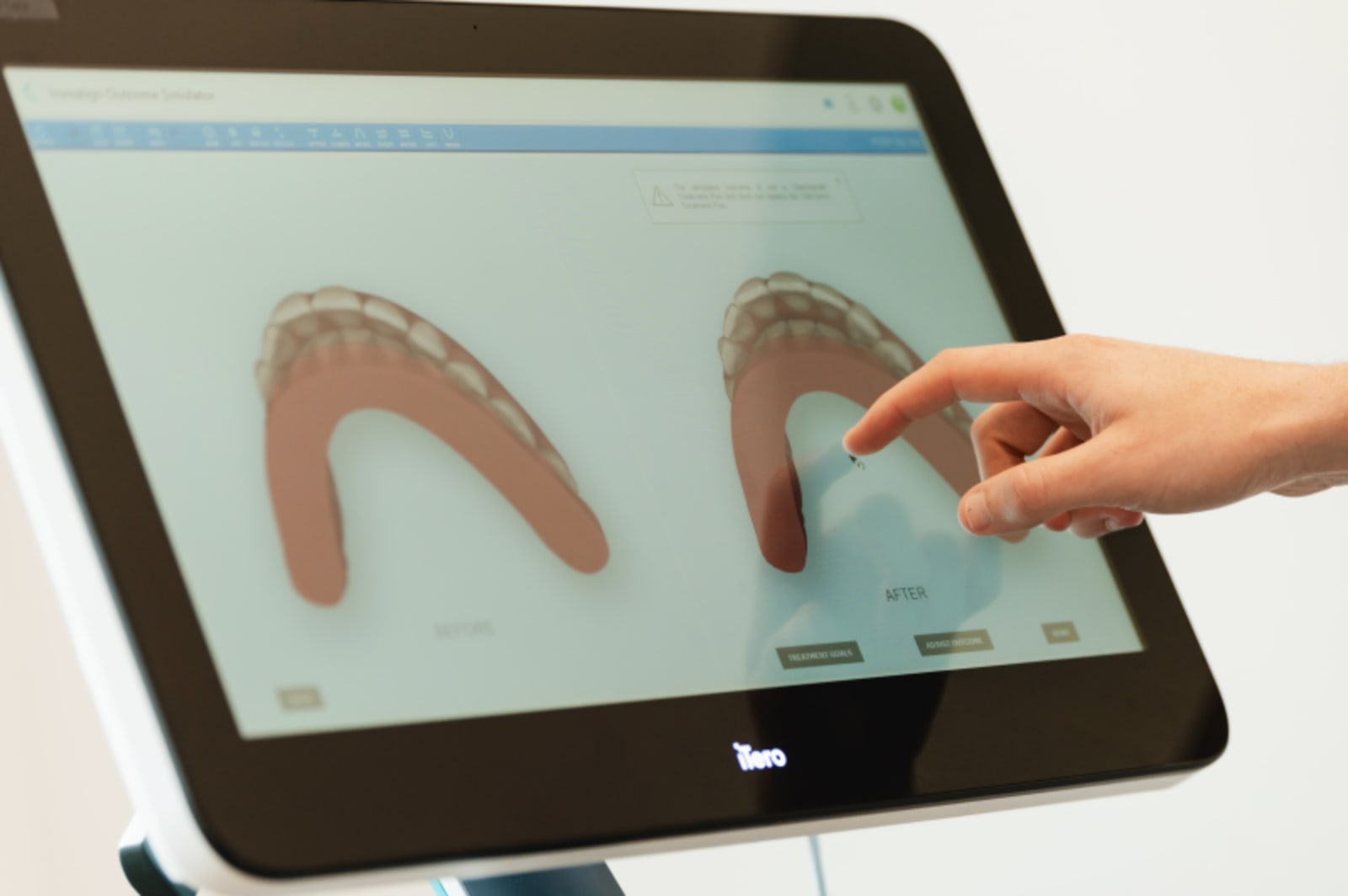
Biomimetic dentistry is not a single procedure. The specific treatment depends on what is happening with the tooth and how much healthy structure remains.
Conservative tooth preparation
When treatment is appropriate, the goal is to remove damaged or decayed tooth structure while retaining as much healthy tissue as possible.
That requires careful evaluation and treatment planning. The amount of tooth structure that can be preserved depends on factors such as the location and extent of decay, existing restorations, cracks, previous treatment, and the overall strength of the tooth.
Adhesive bonding
Bonding is an important component of many biomimetic restorations.
Instead of simply placing a restoration into a prepared space, adhesive dentistry uses bonding materials to connect the restoration with the remaining tooth structure. The process requires careful attention to preparation, isolation, materials, and technique.
Layered restoration
Some biomimetic restorations are built in layers to recreate different aspects of natural tooth structure. The materials and techniques used depend on the tooth and the restoration being placed.
The goal is to create a restoration that provides the necessary strength and function while respecting the natural structure that remains.
Careful bite adjustment
The way a restored tooth interacts with the surrounding teeth also matters. After treatment, your dentist evaluates the restoration and bite to make sure the tooth is functioning appropriately.
These steps can make biomimetic treatment more technique-sensitive than some conventional restorative procedures. Your dentist can explain what will be involved based on the specific tooth being treated.
What Materials Are Used in Biomimetic Dentistry?
Biomimetic dentistry does not rely on one specific material. The material we use depends on how much tooth structure remains, where the restoration is located, how much force the tooth experiences, and the type of restoration being planned.
- Composite resin is commonly used for conservative restorations because it can be bonded directly to tooth structure and placed incrementally. This makes it useful when preserving as much natural tooth as possible is a priority.
- Ceramic materials may be appropriate when a tooth needs additional strength or a larger restoration. Different ceramics have different properties, so material selection depends on the location of the tooth and the demands it will experience.
- Adhesive bonding systems are also an important part of biomimetic treatment. Rather than thinking of the restoration as a separate piece placed inside the tooth, adhesive dentistry allows the restoration and remaining tooth structure to work together.
Material selection is therefore part of the treatment planning process. We consider the condition of the tooth, the amount of healthy structure remaining, the location of the restoration, and the forces the tooth will experience before deciding which materials and techniques are appropriate.
Biomimetic Dentistry and Cracked Teeth
Cracked teeth are one situation where preserving remaining tooth structure can become particularly important.
A crack can vary significantly in severity. Some cracks affect only the outer portion of a tooth, while others extend deeper into the tooth and may affect the pulp or the tooth's ability to withstand normal chewing forces.
Treatment depends on the location and extent of the crack. In some cases, a conservative bonded restoration may be appropriate. In other situations, a crown or additional treatment may provide the necessary protection. When a crack extends too deeply or the tooth has become structurally compromised, extraction may ultimately be necessary.
Biomimetic techniques may provide an option for certain teeth that can still be restored conservatively. The objective is to stabilize the remaining tooth structure while removing only what is necessary and creating a restoration that can function under normal chewing forces.
If you've been told that you need a crown because of a cracked tooth, an evaluation can help determine whether other treatment options may be appropriate.
Why Preserving Natural Tooth Structure Matters
Natural tooth structure cannot regenerate after it has been removed. For that reason, preserving healthy enamel and dentin whenever clinically appropriate can be an important consideration in restorative treatment.
Dental treatment often occurs over the course of a person's lifetime. A tooth may receive several restorations as circumstances change, so the amount of healthy structure remaining at each stage can influence future treatment options.
This is sometimes referred to as the restorative cycle. A tooth may begin with a small filling, eventually require a larger restoration, and later need additional treatment if the restoration fails or the remaining tooth structure becomes compromised.
That progression does not happen with every tooth, and a well-planned conventional restoration can provide many years of service. However, it illustrates why conserving healthy structure can be worth considering when multiple treatment options are available.
Biomimetic dentistry places this long-term perspective at the center of restorative planning.
Our tooth preservation with biomimetic dentistry page provides more information about how this philosophy influences treatment at The Burkitt Center.
Who May Be a Candidate for Biomimetic Dentistry?
Biomimetic techniques may be considered for people with a range of restorative concerns, including:
- Cavities that have not significantly compromised the tooth
- Large or failing fillings
- Certain cracked or fractured teeth
- Teeth with substantial amounts of remaining healthy structure
- Teeth that have previously been recommended for more extensive restorative treatment
- People interested in a conservative approach to restorative care
However, there is no single checklist that determines whether biomimetic treatment is appropriate.
A tooth with extensive decay, a severe fracture, significant structural loss, or other complications may require a different treatment approach. In some cases, conventional restorative treatment or endodontic therapy may provide the most predictable outcome.
The first step is therefore an evaluation. We can examine the tooth, assess the remaining structure, review any existing restorations, and discuss the available options with you.
What Can You Expect During a Biomimetic Evaluation?
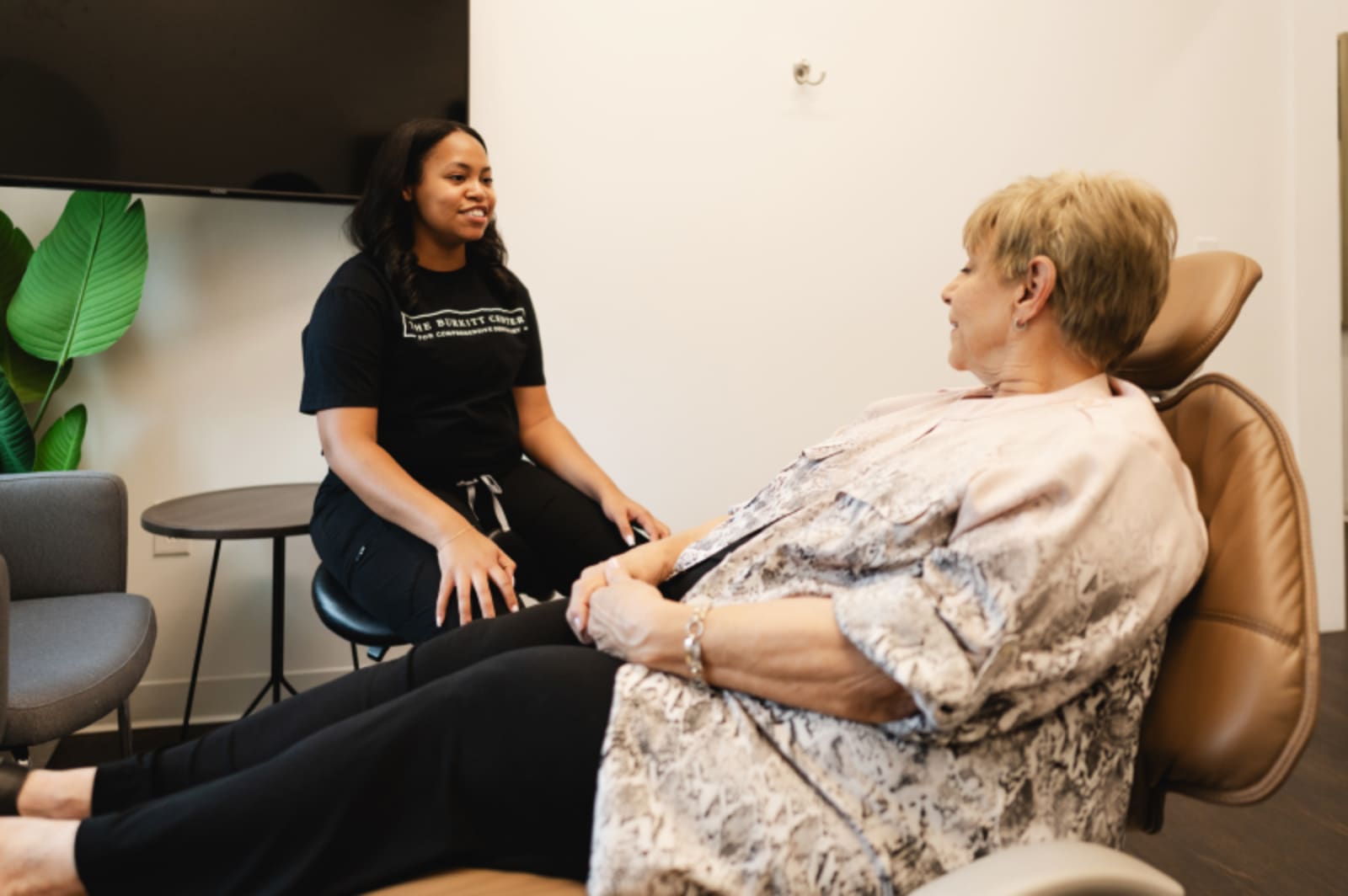
A biomimetic evaluation gives us an opportunity to understand what is happening with your teeth before deciding on treatment.
We may look at:
- Existing fillings, crowns, or other restorations
- Areas of decay or structural damage
- Cracks or fractures
- The amount of healthy tooth structure remaining
- Your bite and how forces are distributed across the teeth
- Signs of sensitivity or other symptoms
- Your previous dental treatment and overall oral health
Depending on what we find, we can explain which treatment options may be appropriate and how each approach could affect the tooth.
If you've been told that a tooth needs extensive treatment, you are also welcome to seek an evaluation before moving forward. Understanding why a treatment is being recommended can make it easier to make a decision that feels right for you.
How The Burkitt Center Approaches Biomimetic Care
At The Burkitt Center, biomimetic dentistry is part of a broader approach to restorative care that emphasizes thoughtful treatment planning and preservation of natural tooth structure.
Dr. Will Jones, Dr. Hayden Ray, Dr. Ellie Turchan, and our team consider the condition of the individual tooth before recommending treatment. That means looking at what is happening now while also considering how the tooth may function and respond to treatment over time.
Biomimetic techniques can require additional attention to preparation, isolation, bonding, materials, and restoration design. We take the time to follow those steps carefully when this approach is appropriate.
Most importantly, we want people to understand their options. If a tooth can be treated conservatively, we want you to know what that means. If a more extensive restoration is necessary, we want you to understand why.
Our goal is to provide care based on the condition of your teeth and your individual needs rather than applying the same treatment approach to every situation.
Taking the Next Step With Biomimetic Dentistry
If you're interested in preserving your natural teeth or have questions about a restoration you've recently been told you need, a conversation with our team can help you understand your options.
You do not have to know whether biomimetic dentistry is right for you before you contact us. We can evaluate your teeth, explain what we see, and discuss which treatment approaches may be appropriate.
At The Burkitt Center of Comprehensive Dentistry in Nolensville, Dr. Will Jones, Dr. Hayden Ray, Dr. Ellie Turchan, and our team are here to help you make informed decisions about your dental care.
Learn more about tooth preservation with biomimetic dentistry, contact our team online, or call us at (615) 941-3368 to schedule an evaluation.
Enter a
New Era of
Dentistry
Call 615.941.3368 or request an appointment online to set up your first visit. We’ll be in touch soon.
