The Burkitt Center's Guide to Veneers, Bonding, Whitening & More
Cosmetic Dentistry: Complete Guide to Smile Enhancement Options
Most people have something they’d like to change about their smile, whether it’s color, spacing, shape, or overall balance. Cosmetic dentistry focuses on improving these details in a way that still looks natural and feels like you.
While general dentistry is centered on keeping your teeth healthy and functioning properly, cosmetic treatments are designed to enhance how your smile looks. This can be as simple as professional whitening or as comprehensive as combining multiple treatments to achieve a more balanced, refreshed appearance.
At The Burkitt Center of Comprehensive Dentistry in Nolensville, we take an approach that blends aesthetics with long-term oral health. Our goal is to create results that not only look great, but also support your overall dental wellness.
Continue reading to explore which cosmetic treatments may be right for you and what to expect from the process.
Quick Overview: Cosmetic Dentistry Options
Professional Whitening: Brightens teeth several shades in one appointment using controlled bleaching agents
Dental Bonding: Repairs chips and gaps with tooth-colored composite resin applied directly to teeth
Porcelain Veneers: Ultra-thin ceramic shells that address multiple concerns including staining, chips, and alignment
Smile Makeovers: Comprehensive treatments combining multiple procedures for dramatic transformations
Gum Contouring: Reshapes gum line for improved proportion and symmetry
What Is Cosmetic Dentistry: Available Procedures Overview
Cosmetic dentistry encompasses procedures designed to improve your smile's appearance through distinct mechanisms that offer different levels of transformation. The most common treatments include professional teeth whitening, dental bonding, porcelain veneers, comprehensive smile makeovers, and gum contouring.
Professional teeth whitening uses controlled bleaching agents to break apart stain molecules trapped within tooth enamel and dentin. We can safely use higher concentration bleaching gels than over-the-counter products, achieving dramatic results in single appointments that might take weeks with drugstore alternatives.
Dental bonding applies tooth-colored composite resin directly to your teeth, which we then sculpt and polish to improve shape, size, or color. This procedure works well for chipped front teeth repair, small gaps, or isolated discoloration affecting individual teeth. Bonding typically takes 30-60 minutes per tooth and can be completed in a single visit without anesthesia for minor repairs.
Porcelain veneers function like custom-made contact lenses for your teeth. These ultra-thin ceramic shells bond permanently to your tooth surfaces, simultaneously addressing multiple concerns including severe staining, chips, cracks, minor misalignment, and gaps between teeth. Veneers require minimal tooth preparation but provide dramatic and long-lasting cosmetic improvements.
Porcelain Veneers vs Composite Bonding: Which Is Better
The choice between veneers and bonding depends on your specific needs, budget, and longevity expectations. Each option offers distinct advantages for different situations.
Composite bonding excels for minor cosmetic issues and budget-conscious patients. It's completely reversible, requires no tooth preparation for small repairs, and can often be completed in a single appointment. Bonding works well for chipped front teeth repair, small gaps between teeth, and minor shape irregularities.
Porcelain veneers provide superior aesthetics and durability for comprehensive smile transformations. They resist staining better than natural teeth, maintain their appearance longer than bonding, and can address multiple cosmetic concerns simultaneously. Veneers excel when you need significant color changes, shape modifications, or want to correct several teeth at once.
Key Differences in Durability and Maintenance
Longevity: Porcelain veneers typically last 10-15 years while composite bonding needs replacement every 5-8 years
Stain resistance: Veneers won't discolor from coffee, wine, or tobacco; bonding may stain over time
Repairability: Bonding can often be repaired if chipped while damaged veneers usually require complete replacement
Maintenance: Both require excellent oral hygiene, but veneers need protection from grinding forces
Reversibility: Bonding is completely reversible while veneer preparation permanently alters tooth structure
How Much Do Porcelain Veneers Cost Per Tooth?
Porcelain veneer investment varies based on several factors including geographic location, dentist experience, laboratory quality, and case complexity. The number of veneers needed significantly impacts total investment, with most smile makeovers involving 6-10 veneers on the upper front teeth.
Premium laboratories specializing in cosmetic work deliver superior aesthetics and better longevity. These high-quality veneers often feature multiple layers of porcelain that mimic natural tooth translucency and light reflection properties. While less expensive options exist, choosing based solely on price often leads to disappointing results requiring costly corrections.
Some patients need only 2-4 veneers to address specific concerns, making the treatment more affordable while still achieving dramatic improvements. We provide detailed treatment estimates during your consultation to help you understand the investment required for your specific goals.
Factors Affecting Veneer Pricing
Laboratory quality: Master ceramist work provides superior aesthetics and longevity
Case complexity: Extensive smile makeovers require more planning and precision than simple cases
Geographic location: Major metropolitan areas typically have higher costs than smaller cities
Dentist experience: Specialists in cosmetic dentistry often charge premium fees for expertise
Material selection: Different porcelain types offer varying levels of strength and aesthetics
What Are the Best Teeth Whitening Methods?
Professional whitening achieves faster, more dramatic, and safer results compared to at-home alternatives. In-office treatments use higher concentration hydrogen peroxide under controlled conditions, while over-the-counter products contain lower bleaching agent concentrations.
Professional whitening typically lightens teeth multiple shades in a single 60-90 minute appointment. We use protective barriers for your gums and carefully monitor the process to ensure even results while minimizing sensitivity. Most patients experience minimal discomfort and can return to normal activities immediately after treatment.
At-home whitening options include custom trays from your dentist or over-the-counter strips and gels. Custom trays with professional-strength gel provide better results than drugstore products while offering convenience and lower cost. However, achieving optimal results requires consistent use over 2-4 weeks, and uneven application can cause patchy whitening.
Optimal Whitening Strategy
The most effective approach combines professional treatment for initial dramatic improvement followed by periodic at-home maintenance to preserve results. Professional whitening provides the foundation, while custom trays allow touch-ups as needed without additional office visits.
Speed comparison: Professional treatment achieves maximum results in one session while at-home requires weeks
Safety supervision: Professional monitoring prevents overuse and manages sensitivity issues
Even results: Controlled application ensures uniform whitening without streaking or patches
Customization: Professional treatment can address specific staining patterns and tooth sensitivity
How Does Dental Bonding Fix Chipped Front Teeth?
Dental bonding provides an excellent solution for chipped front teeth repair, offering immediate results without the cost and complexity of veneers. The procedure involves applying tooth-colored composite resin directly to the damaged area, sculpting it to restore natural tooth shape, and polishing for a seamless finish.
Most chipped tooth repairs can be completed in 30-60 minutes without anesthesia unless the chip extends close to the nerve. We carefully match the composite color to your natural teeth, ensuring the repair blends invisibly with surrounding tooth structure. The bonding material bonds chemically to your tooth, creating a strong, durable repair.
Bonding works best for small to moderate chips on front teeth. Large fractures or chips affecting the tooth's structural integrity may require crowns or veneers for optimal long-term results. We evaluate each case individually to recommend the most appropriate treatment based on the damage extent and your aesthetic goals.
Bonding Success Factors
Chip size: Small to moderate chips respond best to bonding while large fractures need alternative treatments
Location: Front teeth receive less chewing force, making bonding more durable than on back teeth
Oral habits: Nail biting, ice chewing, or teeth grinding can compromise bonding longevity
Maintenance: Avoiding staining substances and using proper oral hygiene preserves appearance
How Long Do Veneers Last Before Replacement?
Veneer longevity typically ranges from 10-15 years, though many patients enjoy beautiful results for 20+ years with excellent care. Several factors influence how long veneers last including oral hygiene quality, bite forces, lifestyle habits, and the original quality of materials and placement technique.
Proper maintenance significantly extends veneer lifespan. Patients who maintain excellent oral hygiene, avoid using teeth as tools, and protect against grinding forces often see their veneers last well beyond the expected timeframe. Conversely, poor oral hygiene, teeth grinding, or habits like nail biting can shorten veneer life considerably.
Signs that veneers may need replacement include chipping, cracking, discoloration at the margins, or loosening from the tooth surface. Regular dental checkups allow early detection of potential problems before they become serious, often enabling repairs rather than complete replacement.
Maximizing Veneer Longevity
Oral hygiene: Daily brushing and flossing prevent gum disease and decay at veneer margins
Professional cleanings: Regular hygiene visits remove plaque buildup and maintain gum health
Bite protection: Night guards protect against grinding forces during sleep
Habit modification: Avoiding ice chewing, nail biting, and using teeth as tools prevents damage
Regular checkups: Professional monitoring catches problems early when they're easier to address
Can You Whiten Teeth with Existing Fillings and Crowns?
Whitening treatments don't affect artificial dental materials like fillings, crowns, veneers, or bonding. This limitation can create significant color mismatches after whitening, particularly if existing restorations are visible when you smile. Planning becomes crucial to avoid disappointment and additional expenses.
If your existing dental work is old or discolored, whitening your natural teeth followed by replacing restorations often provides the best aesthetic outcome. This approach allows us to match new dental work to your newly whitened teeth rather than trying to whiten around existing restorations.
For patients with extensive existing dental work in visible areas, comprehensive treatment planning helps achieve uniform color results. We can whiten your natural teeth first, then replace fillings, crowns, or other restorations to match the improved shade. This coordinated approach ensures consistent color throughout your smile.
Strategic Planning for Mixed Dentition
Assessment phase: We evaluate existing dental work visibility and condition before whitening
Whitening first: Natural teeth are whitened to desired shade before replacing restorations
Restoration replacement: New dental work is matched to whitened natural teeth
Timing coordination: Treatment sequence ensures optimal color matching and efficiency
Budget planning: Understanding replacement needs helps plan total investment
What Services Are Included in a Smile Makeover?
Comprehensive smile makeovers orchestrate multiple procedures to address all aesthetic concerns simultaneously, creating optimal harmony between your teeth, gums, and facial features. These treatments typically combine whitening, bonding, veneers, and sometimes orthodontic correction to achieve dramatic transformations.
The planning phase becomes crucial for makeover success. We analyze your facial structure, lip position during speech and laughter, gum line architecture, and existing bite patterns to design improvements that enhance your natural features rather than creating an artificial appearance. Digital smile design technology helps visualize potential results before beginning treatment.
Most smile makeovers involve 6-10 porcelain veneers on the upper front teeth, often combined with professional whitening of back teeth for overall color harmony. Some cases benefit from minor bonding repairs or gum contouring to perfect the final result. The goal is creating a smile that looks naturally beautiful while addressing all your aesthetic concerns.
Typical Smile Makeover Components
Professional whitening: Brightens back teeth that won't receive veneers for color consistency
Porcelain veneers: Transform front teeth with comprehensive color, shape, and alignment improvements
Selective bonding: Addresses minor issues on teeth not receiving veneers
Gum contouring: Creates ideal gum line symmetry and proportion when needed
Bite adjustment: Ensures comfortable function with new tooth contours
Can Veneers Fix Crooked Teeth?
Porcelain veneers can effectively mask minor orthodontic irregularities, gaps, and slight crowding, but severely crooked teeth present important decisions about treatment approach. Understanding when veneers work well versus when orthodontic correction provides better long-term results helps you make informed choices.
Veneers excel for minor spacing issues, slightly rotated teeth, or small gaps between front teeth. They provide immediate results and can simultaneously address color and shape concerns along with alignment issues. However, significant crowding or severely misaligned teeth may require excessive tooth reduction to achieve proper veneer fit, potentially compromising long-term tooth health.
Orthodontic treatment preserves natural tooth structure while properly aligning teeth for optimal long-term health and function. Clear aligner systems like Invisalign offer discrete correction for adults concerned about traditional braces appearance. While orthodontics requires 12-24 months, the results support better oral health for decades.
Decision Factors for Crooked Teeth
Severity assessment: Minor irregularities respond well to veneers while major crowding needs orthodontics
Time considerations: Veneers provide immediate results while orthodontics requires 1-2 years
Tooth preservation: Orthodontics preserves natural structure while veneers require enamel removal
Comprehensive benefits: Orthodontics improves bite function and long-term oral health
Age factors: Younger patients benefit more from orthodontic correction's lifetime advantages
What Are Non-Surgical Cosmetic Dentistry Options?
Many cosmetic improvements can be achieved without surgical intervention, making them accessible to patients seeking conservative treatment options. These non-surgical procedures typically involve minimal discomfort, faster healing, and lower costs while still providing significant aesthetic improvements.
Professional teeth whitening represents the most popular non-surgical cosmetic treatment, requiring no anesthesia or tooth alteration while delivering dramatic color improvements. Most patients experience minimal sensitivity and can return to normal activities immediately after treatment.
Dental bonding requires no surgical intervention for most applications. Small chips, gaps, or shape irregularities can be corrected by applying composite resin directly to tooth surfaces without removing healthy tooth structure. The procedure typically requires no anesthesia unless treating areas close to the nerve.
Even porcelain veneers, while requiring minimal tooth preparation, don't involve surgical procedures. The preparation process removes only a thin layer of enamel and can often be completed with minimal or no anesthesia.
Conservative Treatment Options
Professional whitening: No tooth alteration required with immediate results and minimal sensitivity
Composite bonding: Conservative repair and enhancement without surgical intervention
Porcelain veneers: Minimal preparation required with no surgical procedures involved
Gum contouring: Laser technology enables precise tissue reshaping with minimal discomfort
Clear aligners: Gradual tooth movement without surgical intervention
The Burkitt Center Approach to Cosmetic Excellence
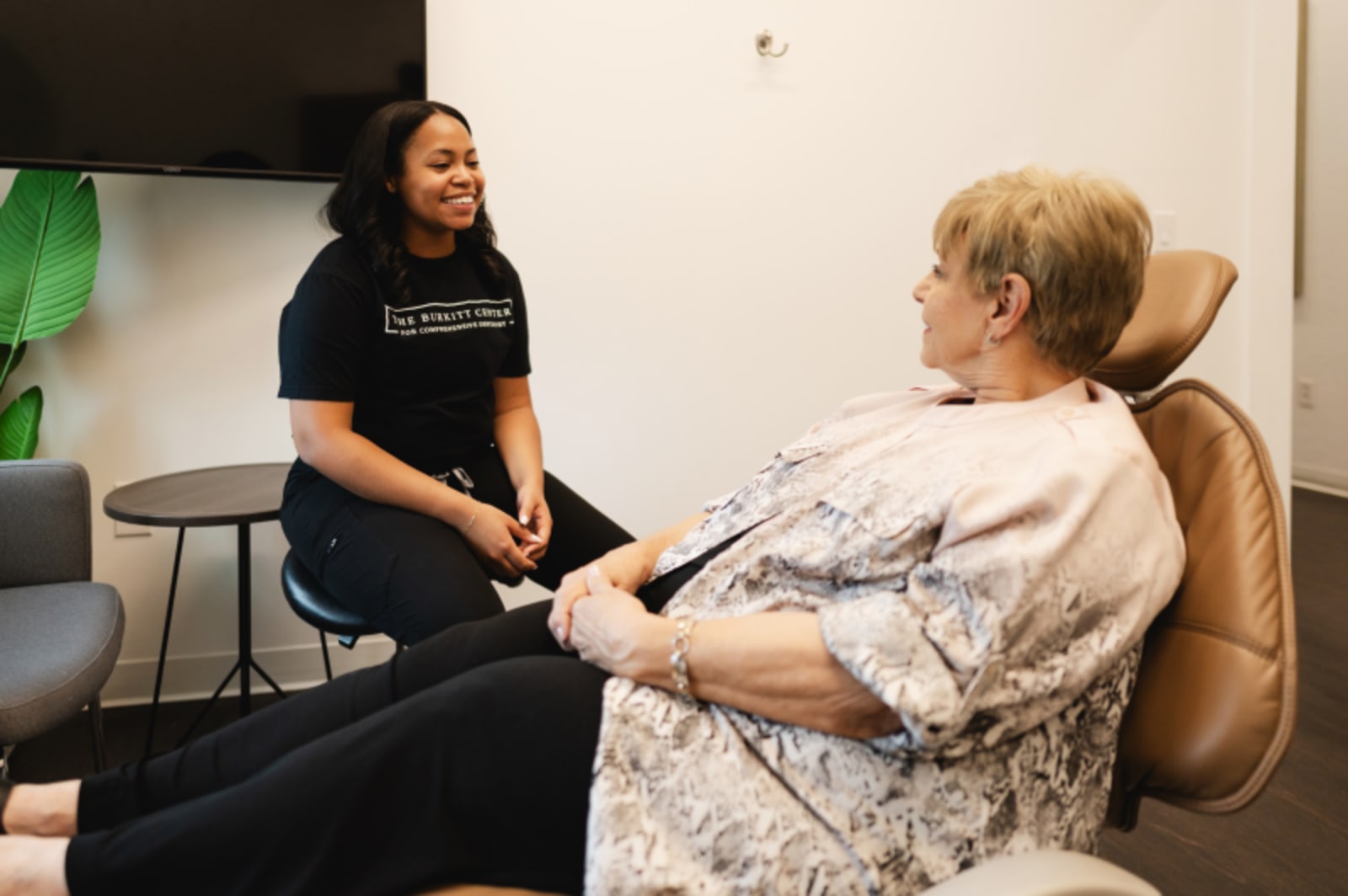
At The Burkitt Center of Comprehensive Dentistry, we integrate cosmetic treatments with our biological and biomimetic philosophy, considering how aesthetic improvements affect your overall oral health while using materials and techniques that support long-term wellness. Our approach emphasizes conservative treatment when possible, preserving natural tooth structure while achieving beautiful results.
We believe the best cosmetic work enhances both appearance and function, creating smiles that look natural, feel comfortable, and support optimal oral health for decades. Every treatment plan is customized to your unique needs, aesthetic goals, and long-term health considerations.
Dr. Will Jones and our team at The Burkitt Center combine advanced cosmetic techniques with our commitment to biological dentistry, ensuring your smile enhancement supports your overall wellness journey. We take time to understand your goals and design treatments that deliver lasting beauty and health.
Ready to Transform Your Smile?
Your smile transformation begins with understanding your options and creating a personalized treatment plan. At The Burkitt Center of Comprehensive Dentistry, we're committed to helping you achieve the beautiful, healthy smile you deserve through our biological approach to cosmetic dentistry.
Schedule your consultation today to discuss your aesthetic goals and discover which treatments best address your specific needs. Contact our Nolensville office to begin your smile enhancement journey with confidence and expert care.
Enter a
New Era of
Dentistry
Call 615.941.3368 or request an appointment online to set up your first visit. We’ll be in touch soon.
