How Biomimetic Dentistry Helps You Avoid Root Canals

Avoid Root Canals with Biomimetic Dentistry
Hearing that a tooth might need a root canal can bring up a lot of questions. How serious is the problem? Is there another option? Can the tooth be preserved? And what happens if you wait?
And all of this is worth consideration, because the right treatment depends on what is actually happening inside and around the tooth. A tooth that is cracked or heavily restored may need a different approach from one with deep decay or an infected pulp.
Biomimetic dentistry focuses on preserving healthy tooth structure and supporting the natural function of the tooth whenever possible. At The Burkitt Center of Comprehensive Dentistry in Nolensville, Dr. Will Jones, Dr. Ellie Turchan, and Dr. Hayden Ray use this philosophy as part of a conservative approach to restorative care.
If you've been told you may need a root canal, understanding why that recommendation was made and whether the tooth has other treatment options can help you make a more informed decision.
Key Takeaways
- A root canal becomes necessary when the pulp inside a tooth becomes irreversibly inflamed or infected
- Cracks, deep decay, trauma, and extensive dental work can all contribute to pulp damage
- Biomimetic dentistry focuses on preserving healthy tooth structure and supporting the remaining tooth
- Early evaluation may provide more treatment options before damage progresses
- Biomimetic treatment cannot prevent every root canal, and some teeth genuinely require endodontic treatment
- A thorough evaluation can help determine whether a tooth may be treated conservatively or needs more extensive care
If you are concerned about a tooth that has been recommended for root canal treatment, our team can help you understand your options. Call The Burkitt Center at (615) 941-3368.
Why Does a Tooth Need a Root Canal?
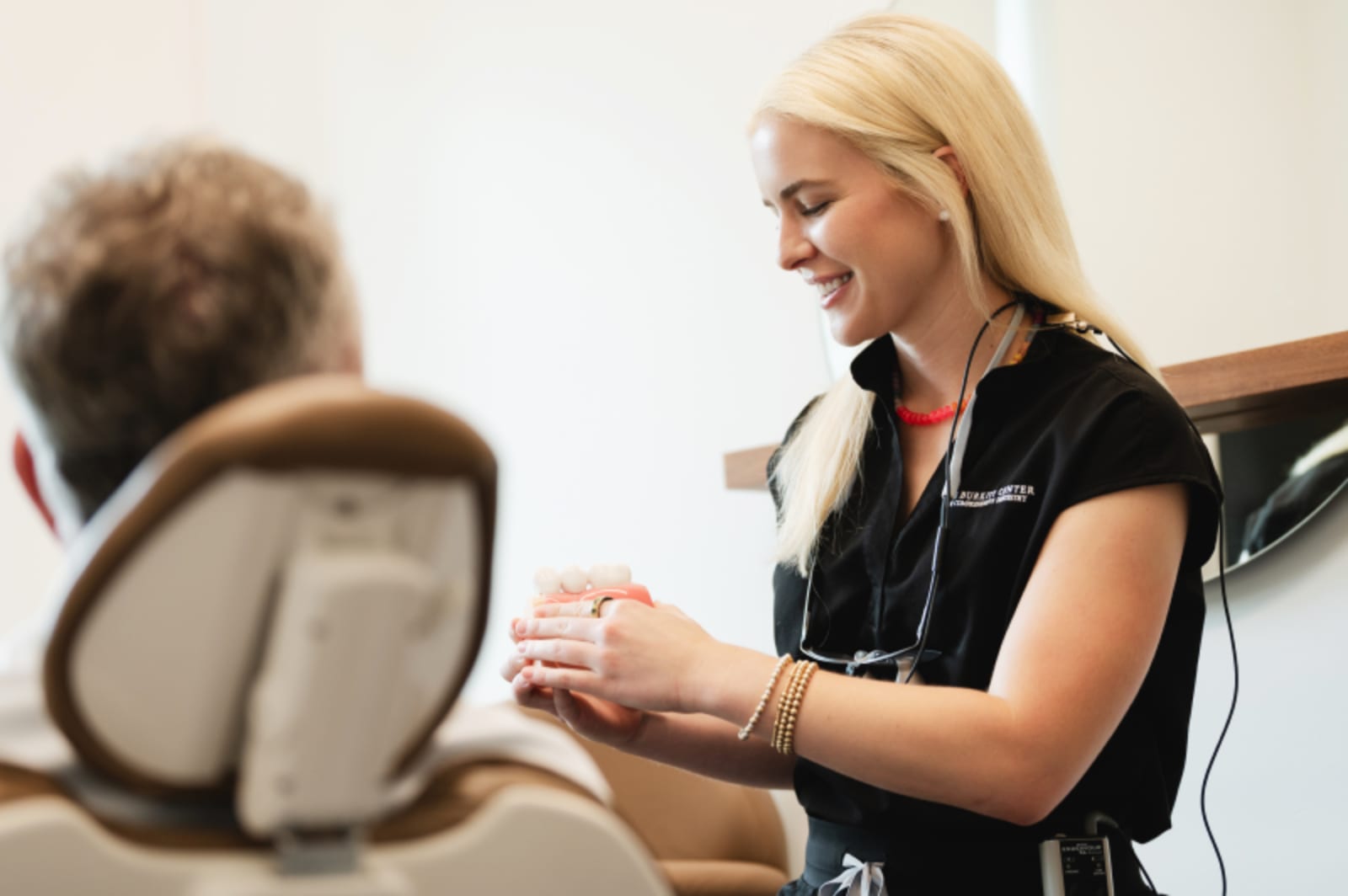
To understand where biomimetic dentistry fits in, it helps to understand why root canal treatment is recommended in the first place.
Inside every tooth is the pulp, which contains nerves, blood vessels, and connective tissue. When the pulp becomes severely inflamed or infected, it may no longer be able to recover on its own. Root canal treatment removes the affected pulp, cleans and disinfects the inside of the tooth, and seals the space to help preserve the tooth.
Several things can cause this type of damage, including:
- Deep tooth decay
- A significant crack or fracture
- Trauma to the tooth
- Repeated dental procedures on the same tooth
- A large restoration that leaves limited healthy tooth structure
- Bacteria reaching the pulp through decay or a damaged restoration
Some people experience significant pain before a root canal is recommended. Others have little or no discomfort, particularly when the pulp has gradually lost its vitality.
That is why symptoms alone cannot determine whether a root canal is necessary. Dental examination, X-rays, and other diagnostic information help us understand what is happening inside the tooth.
Can Tooth Preservation Help Prevent Some Root Canals?
This is where biomimetic dentistry becomes part of the conversation.
Biomimetic dentistry emphasizes preserving healthy enamel and dentin whenever treatment is necessary. When a tooth has decay or structural damage, the goal is to remove the compromised tissue while retaining as much healthy structure as possible.
Preserving tooth structure can be particularly important when the pulp is still healthy or has a reasonable chance of recovering after treatment.
The approach may involve conservative tooth preparation, adhesive bonding, carefully selected restorative materials, and attention to how forces move through the restored tooth.
However, biomimetic dentistry cannot guarantee that a tooth will avoid root canal treatment. If the pulp has become irreversibly inflamed, infected, or necrotic, endodontic treatment may still be the most appropriate option.
The earlier a problem is identified, the more information we have when evaluating the available choices.
How Biomimetic Dentistry Approaches a Damaged Tooth
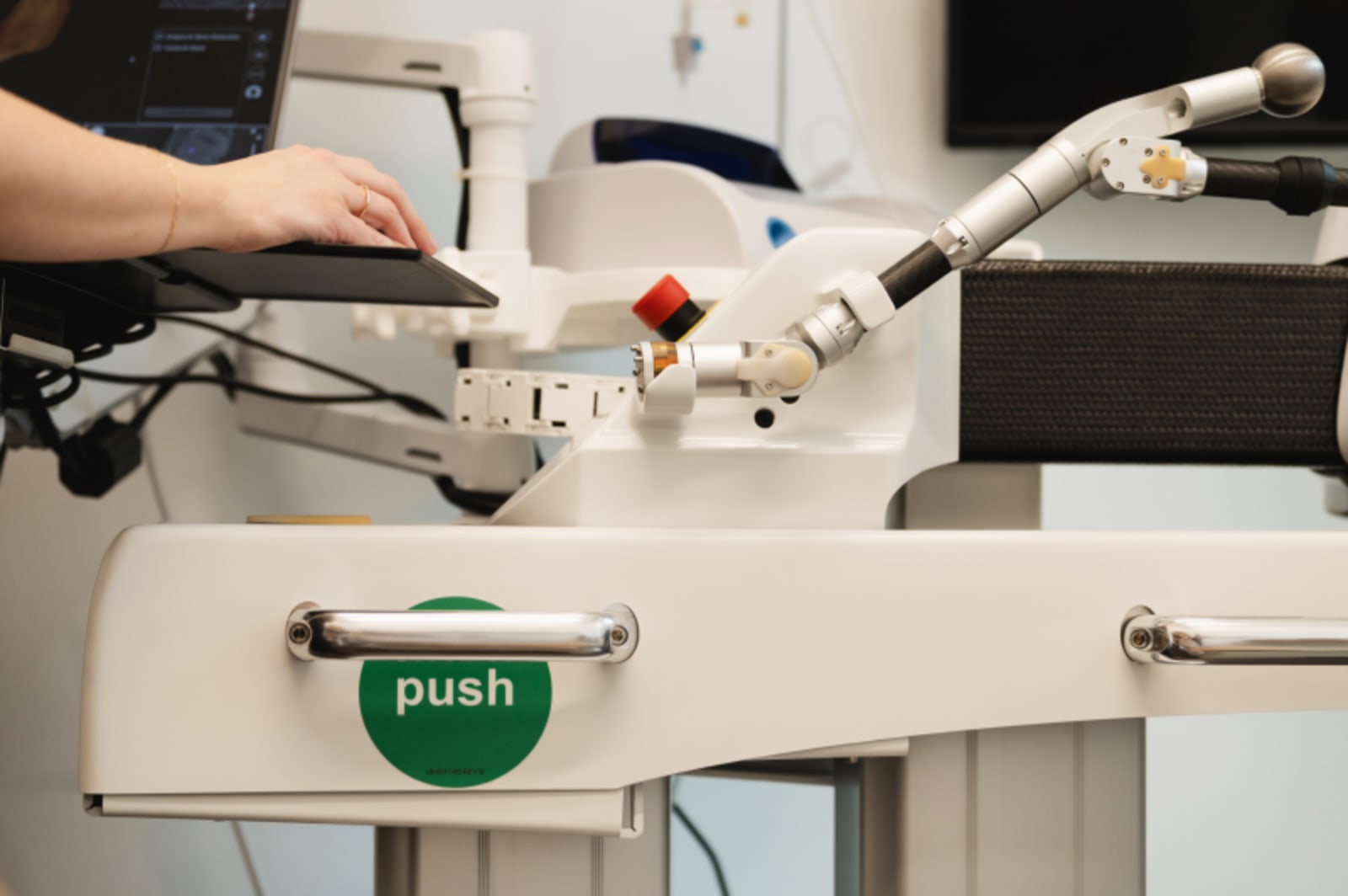
Biomimetic dentistry considers the structure and function of the natural tooth when planning restorative treatment.
Preserving healthy structure
When decay or damage is present, removing the affected tissue is necessary. The goal is to avoid removing additional healthy tooth structure when it can safely remain.
That can leave more of the natural enamel and dentin available to support the tooth.
Using adhesive bonding
Modern adhesive dentistry allows certain restorations to be bonded directly to remaining tooth structure.
The bonding process is technique-sensitive and requires careful preparation and moisture control. When performed appropriately, it can help create a strong connection between the restoration and the tooth.
Considering how the tooth handles force
A restored tooth still needs to withstand everyday biting and chewing. The design and material of the restoration can influence how those forces are distributed through the tooth.
Biomimetic treatment takes these factors into account when determining how a restoration should be designed and placed.
Monitoring the pulp
The health of the pulp remains an important consideration throughout treatment. A tooth with a healthy pulp may be able to recover from certain types of irritation, while more advanced inflammation may require additional treatment.
That distinction is one reason diagnosis and conservative treatment planning matter so much.
What About a Tooth That Has Been Told It Needs a Root Canal?
If another dentist has recommended a root canal, you may still have questions about whether that is the only appropriate treatment.
A second opinion can be useful, particularly when you are dealing with a complicated diagnosis or have been presented with several treatment options.
During an evaluation, our team may consider:
- The depth and location of decay
- The presence and extent of cracks
- The amount of healthy tooth structure remaining
- Signs of pulp inflammation or infection
- Symptoms and how they have changed over time
- Previous restorations and dental procedures
- X-rays and other diagnostic findings
From there, we can explain what we see and discuss whether conservative treatment is reasonable or whether root canal therapy is likely to provide the most predictable outcome.
There are situations where preserving a tooth with a biomimetic restoration is appropriate. There are also situations where a root canal is the better choice. Our responsibility is to help determine which situation applies to you.
Protecting the Pulp Starts Before a Root Canal Is Needed
One of the reasons tooth preservation receives so much attention in biomimetic dentistry is the importance of the pulp.
A healthy pulp allows the tooth to remain a living part of your mouth. Once the pulp becomes irreversibly damaged or infected, treatment options become more limited.
That does not mean every sensitivity or small cavity is an emergency. Many dental problems can be treated conservatively when they are identified early.
Regular examinations allow us to monitor areas of concern and look for changes before they become more extensive. If you notice persistent sensitivity, pain when biting, swelling, or another change in a tooth, an evaluation can help determine what is causing it.
What Does This Look Like at The Burkitt Center?

At The Burkitt Center of Comprehensive Dentistry, restorative treatment begins with understanding the condition of the tooth and the person sitting in the chair.
Dr. Will Jones, Dr. Ellie Turchan, and Dr. Hayden Ray each share the practice's focus on thoughtful, comprehensive dental care. When a tooth is damaged, the team considers the available treatment options and explains the reasoning behind the recommendation.
That may mean discussing a conservative biomimetic restoration. It may mean recommending additional diagnostic testing. In some cases, it may mean explaining why root canal treatment is the most appropriate way to preserve the tooth.
We want people to understand what is happening before moving forward with treatment. If you have questions about a recommendation you've received, you are welcome to ask them.
You can learn more about tooth preservation with biomimetic dentistry or explore our holistic dentistry approach.
When Should You Have a Tooth Evaluated?
If a tooth has started hurting, feels sensitive, or has changed in the way it responds to biting and chewing, it is worth having it evaluated.
Some signs that may warrant an appointment include:
- Persistent tooth sensitivity
- Pain when biting or chewing
- Spontaneous tooth pain
- Sensitivity that lingers after eating or drinking
- A visible crack or fracture
- Swelling around a tooth or gum
- A filling or restoration that has broken or changed
- A tooth that has recently experienced trauma
Early evaluation gives your dentist more information about the condition of the tooth and its pulp. It can also help identify treatment options before a problem becomes more extensive.
A Root Canal May Not Be the End of the Conversation
If you've been told that a root canal may be necessary, you do not have to make a decision without understanding the diagnosis.
At The Burkitt Center, Dr. Will Jones, Dr. Ellie Turchan, and Dr. Hayden Ray can evaluate the tooth, explain what they find, and discuss the treatment options that may be appropriate for your situation.
Biomimetic dentistry can be an important part of that conversation for teeth that can still be treated conservatively. When a root canal is genuinely necessary, understanding why can be just as valuable.
If you are concerned about a tooth or would like a second opinion about a recommended root canal, contact The Burkitt Center of Comprehensive Dentistry in Nolensville online, or call at (615) 941-3368 to schedule an evaluation.
Enter a
New Era of
Dentistry
Call 615.941.3368 or request an appointment online to set up your first visit. We’ll be in touch soon.
