Fluoride-Free Dental Cleanings: What to Expect

Fluoride-Free Dental Cleanings: What to Expect
If you prefer to avoid fluoride during your dental visits, you may have questions about what a fluoride-free cleaning actually involves. Will the cleaning be different? Are there alternatives to fluoride? What should you tell your dental team before the appointment?
A fluoride-free cleaning can still include the core elements of a routine preventive dental visit, including an oral examination, periodontal assessment, removal of plaque and calculus, and polishing. The primary difference is that a fluoride treatment is not included.
At The Burkitt Center of Comprehensive Dentistry in Nolensville, Dr. Will Jones, Dr. Ellie Turchan, Dr. Hayden Ray, and our team take the time to understand your preferences and overall oral health when planning your care. If you prefer a fluoride-free appointment, let us know when scheduling so we can discuss what that means for your individual care plan.
Key Takeaways
- A fluoride-free cleaning can include the same core preventive cleaning procedures as a routine dental visit
- Your hygienist will still evaluate your teeth, gums, and overall oral health
- Fluoride is one tool used to help prevent tooth decay, but your preventive care plan can include other strategies based on your individual needs
- Hydroxyapatite products may be discussed as part of an oral hygiene routine for some people
- Your cavity risk, diet, oral hygiene habits, medications, and other factors can influence your preventive recommendations
- Letting your dental team know about your preferences and concerns before your appointment can help them tailor your care
What Happens During a Fluoride-Free Dental Cleaning?
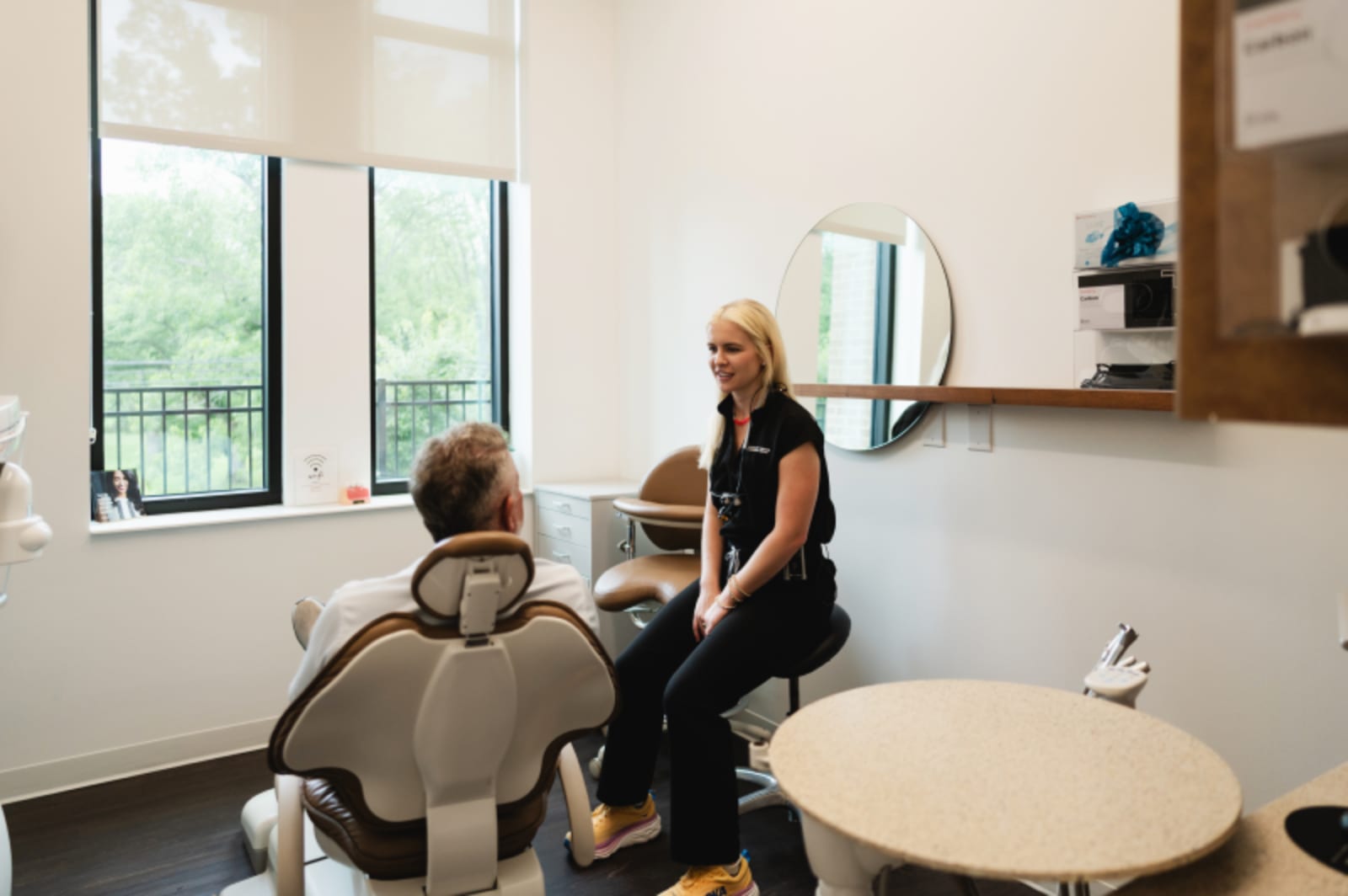
The basic structure of a fluoride-free cleaning is familiar to anyone who has had a routine dental hygiene appointment.
Your visit may begin with a review of your medical and dental history. This gives the team an opportunity to note medications, health conditions, changes in your oral health, or other information that may affect your care.
Your hygienist may then perform an oral and periodontal assessment. This can include examining your gums, checking for areas of inflammation, and measuring the spaces around your teeth when appropriate. These measurements help us monitor gum health over time and identify changes that may require additional attention.
Next comes scaling, which removes plaque and calculus from the tooth surfaces. Depending on the amount and location of buildup, your hygienist may use hand instruments, ultrasonic instruments, or a combination of techniques.
After scaling, your teeth are typically polished to remove surface stains and leave the tooth surfaces smooth.
The appointment may also include X-rays or a dental examination depending on when those services are due and what your dentist recommends.
Choosing a fluoride-free cleaning does not mean skipping these important preventive steps. The fluoride application is simply omitted or replaced with another product or recommendation when appropriate.
What About Fluoride During a Dental Cleaning?
Fluoride is a naturally occurring mineral that has been extensively studied for its role in preventing and managing tooth decay. Professional fluoride treatments can help strengthen enamel and support remineralization, particularly for people who have an elevated risk of cavities.
At the same time, some people prefer to avoid fluoride for personal, philosophical, or health-related reasons.
If you have chosen to avoid fluoride, it is helpful to tell your dental team before your appointment. This gives your hygienist and dentist an opportunity to understand your preference and consider how it fits with your overall cavity risk.
Preventive recommendations should take your individual circumstances into account. Someone with a history of frequent cavities may have different needs from someone who has consistently low cavity risk and strong enamel health.
That conversation is an important part of developing a preventive plan that works for you.
What Alternatives May Be Discussed?
There is no single replacement for fluoride that is appropriate for everyone. Depending on your oral health, your team may discuss other products or strategies that can support enamel health and help reduce your risk of tooth decay.
Hydroxyapatite
Hydroxyapatite is a mineral that makes up a large portion of natural tooth enamel and dentin. Hydroxyapatite-containing toothpaste and other oral care products are increasingly used by people who prefer fluoride-free oral hygiene products.
Your dentist or hygienist can help you determine whether a hydroxyapatite product makes sense for your routine and how to use it effectively.
Nutrition and oral hygiene
Daily brushing and cleaning between your teeth remain central to cavity prevention regardless of whether you use fluoride.
Your diet can also influence your risk of tooth decay. Frequent exposure to sugars and fermentable carbohydrates can contribute to the environment that allows cavity-causing bacteria to thrive.
Your dental team can discuss practical changes based on your individual habits rather than recommending a one-size-fits-all routine.
Saliva and cavity risk
Saliva plays an important role in protecting your teeth. It helps wash away food particles, neutralize acids, and provide minerals that support the enamel.
Certain medications and health conditions can reduce saliva production, which may increase cavity risk. If you experience dry mouth, be sure to mention it during your dental visits.
Other preventive therapies
Depending on your needs, your dental team may also discuss other preventive treatments or products. At The Burkitt Center, recommendations are based on your oral health, dental history, and risk factors.
The goal is to understand what your teeth need and build a preventive routine around those needs.
How We Approach Your Overall Oral Health
A dental cleaning provides an opportunity to look at more than plaque and calculus.
At The Burkitt Center, we want to understand the factors that may be influencing your oral health. That can include your daily hygiene routine, diet, medications, medical history, dry mouth symptoms, previous dental treatment, and cavity or gum disease history.
Dr. Will Jones, Dr. Ellie Turchan, and Dr. Hayden Ray take a comprehensive approach to evaluating oral health and discussing treatment options. If you have questions about fluoride, dental materials, or other aspects of your care, we encourage you to bring them up.
You do not need to arrive with a perfectly organized health history or a list of products you've researched. Simply tell us what you are currently using, what you prefer to avoid, and what concerns you have. That gives our team useful information when developing recommendations for your care.
You can learn more about the practice's approach through our page on biological dentistry.
What Should You Tell Your Hygienist Before Your Appointment?

If you prefer a fluoride-free cleaning, letting the office know before your appointment is helpful. You can also bring up other concerns that may affect your comfort or preventive care.
For example, tell your dental team if you:
- Prefer fluoride-free products
- Experience dental sensitivity
- Have a history of frequent cavities
- Have dry mouth
- Use hydroxyapatite or other specialized oral care products
- Have recently changed medications
- Have gum tenderness or bleeding
- Have had an uncomfortable dental cleaning in the past
- Have questions about the products being used during your appointment
These details can help your hygienist tailor the appointment and identify areas that may need additional attention.
If you are unsure whether a particular product or treatment fits with your oral health goals, bring it with you or ask about it during your visit.
Who Might Prefer a Fluoride-Free Cleaning?
People choose fluoride-free dental care for many different reasons. Some prefer to limit fluoride exposure as part of their personal approach to wellness. Others already use fluoride-free oral care products at home and want their professional dental care to follow the same preference.
Some people may also be interested in fluoride-free options because they want to explore hydroxyapatite or other approaches to supporting enamel health.
Regardless of why you prefer a fluoride-free cleaning, your dental team still needs to consider your individual risk of tooth decay and other oral health concerns.
If your cavity risk is high, for example, your dentist may recommend additional preventive strategies and explain the benefits and limitations of each option. Having that conversation can help you make an informed decision about your care.
What If I Change My Mind About Fluoride?
Your preferences can change over time, and your preventive care plan can change with them.
You may decide that you want to use fluoride after discussing your cavity risk with your dentist. You may also decide that you prefer to continue with fluoride-free care while focusing on other preventive strategies.
Either way, keeping your dental team informed helps us provide recommendations that reflect your current needs and preferences.
The most important thing is to maintain regular dental examinations and professional cleanings so we can monitor your teeth and gums over time.
Schedule a Fluoride-Free Dental Cleaning in Nolensville
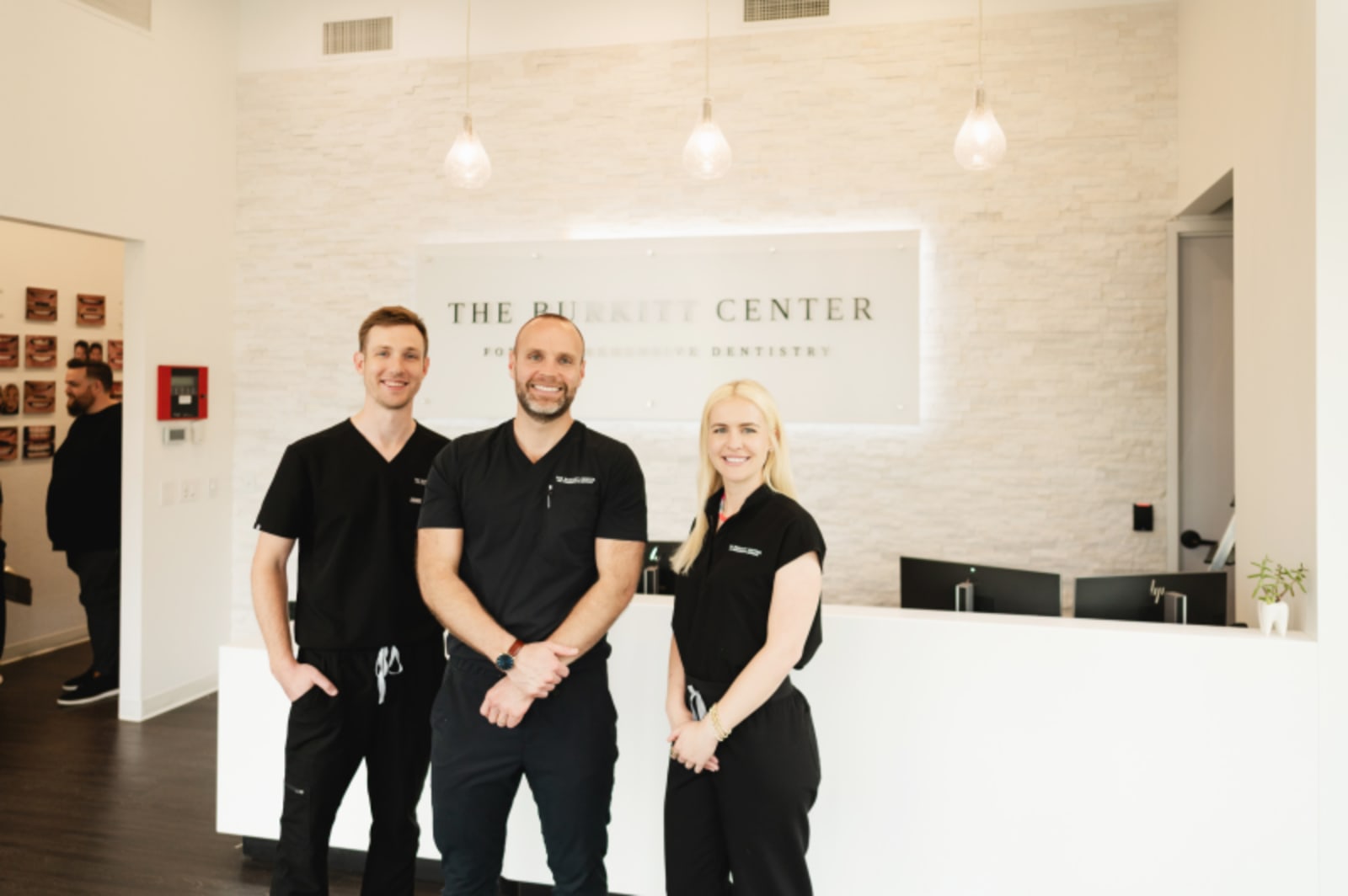
If you prefer fluoride-free dental care, you can discuss that preference with our team before your appointment. We can explain what to expect during your cleaning, answer questions about the products we use, and help you understand how your fluoride preference fits into your overall preventive care plan.
At The Burkitt Center of Comprehensive Dentistry, Dr. Will Jones, Dr. Ellie Turchan, and Dr. Hayden Ray take the time to understand each person's oral health and concerns. We want you to feel comfortable asking questions and participating in decisions about your dental care.
To schedule a fluoride-free dental cleaning or learn more about your options, contact The Burkitt Center by calling at (615) 941-3368.
Enter a
New Era of
Dentistry
Call 615.941.3368 or request an appointment online to set up your first visit. We’ll be in touch soon.
